
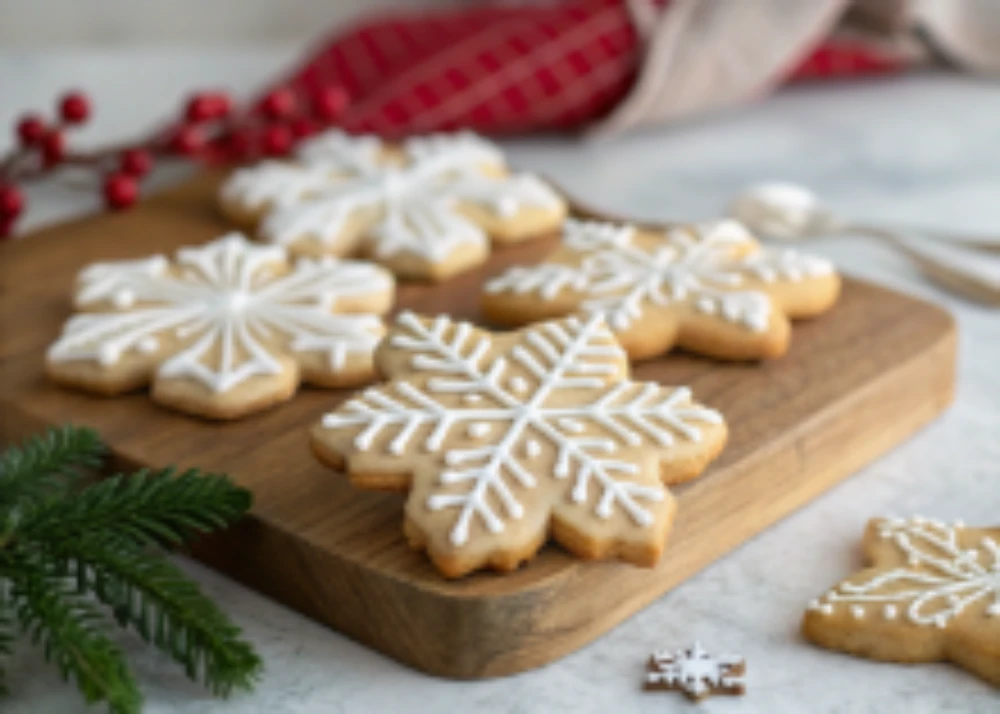
Snowflake cookies are one of those timeless holiday treats that instantly bring winter celebrations to life. With their delicate shapes, crisp edges, and soft centers, snowflake cookies are as fun to decorate as they are to eat. Whether you bake them for Christmas parties, cookie exchanges, or cozy afternoons with family, these cookies offer a perfect balance of simplicity and creativity.
What makes snowflake cookies especially appealing is how approachable they are. The dough is easy to work with, the ingredients are pantry staples, and the finished cookies hold their shape beautifully—making them ideal for intricate snowflake cutters and detailed icing designs. Over the years, snowflake cookies have become a holiday tradition in many homes, passed down from parents to children and re-created every winter with new decorations and personal touches.
In this guide, you’ll learn everything you need to know about snowflake cookies—from ingredients and texture to decorating techniques, storage tips, and answers to popular questions people ask online.
What Are Snowflake Cookies?
Snowflake cookies are typically a type of rolled sugar cookie designed to keep their shape during baking. Unlike soft drop cookies that spread in the oven, snowflake cookies rely on a firm dough that stays crisp around the edges while remaining tender inside.
The defining feature of snowflake cookies isn’t just the flavor—it’s the appearance. These cookies are cut into snowflake shapes and often decorated with white icing, shimmering sugar, or delicate piping patterns that resemble real snow crystals. Because no two snowflakes are alike, decorating snowflake cookies allows endless creativity.
They are especially popular during Christmas and winter holidays, but their neutral sweetness makes them enjoyable any time you want a beautifully decorated cookie.
Why Snowflake Cookies Are Perfect for Holiday Baking
Snowflake cookies stand out during the holiday season for several reasons:
- They hold their shape, even with detailed cookie cutters
- They’re easy to decorate, making them great for kids and beginners
- They store well, which is ideal for gifting and parties
- They’re visually stunning, especially when iced with winter-inspired designs
Unlike heavily spiced cookies, snowflake cookies have a mild, classic flavor that pairs well with icing, sprinkles, or edible glitter. This makes them a favorite for bakers who want cookies that look impressive without overwhelming flavors.
Key Ingredients That Make Snowflake Cookies Work
Snowflake cookies rely on a small list of simple ingredients, but each one plays an important role in the final texture and appearance.
Sugar provides sweetness and helps create crisp edges.
Shortening or fat limits spreading, which helps the cookies maintain sharp snowflake details.
Eggs add moisture and structure, keeping the cookies from becoming too crumbly.
Vanilla extract enhances flavor without overpowering the delicate taste.
All-purpose flour forms the base and gives the dough strength.
Salt balances sweetness and brings out the vanilla flavor.
The simplicity of these ingredients is exactly why snowflake cookies are so dependable year after year.
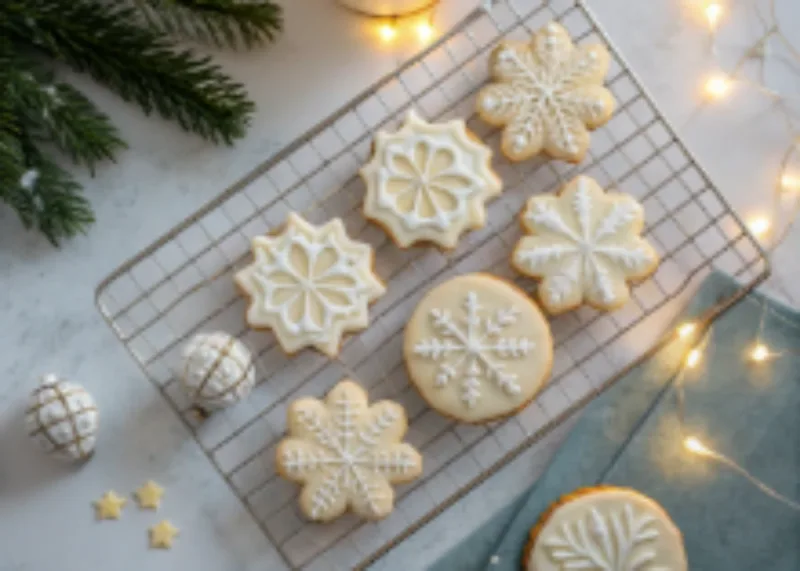
How Snowflake Cookies Taste
Snowflake cookies have a clean, lightly sweet flavor with a smooth, buttery mouthfeel. They are not overly rich or spiced, which makes them an ideal canvas for frosting and decorations.
The texture is what most people love:
- Slightly crisp around the edges
- Soft and tender in the center
- Firm enough to decorate without breaking
Because the flavor is subtle, snowflake cookies pair well with coffee, tea, hot chocolate, or mulled cider during the winter months.
Step-by-Step Overview: How Snowflake Cookies Are Made
While every family has its own method, the basic process for snowflake cookies follows a reliable pattern:
- Cream the sugar and fat until smooth
- Add eggs and vanilla for structure and flavor
- Mix in flour and salt just until combined
- Chill the dough to make it firm and easy to roll
- Roll and cut into snowflake shapes
- Bake until the edges are lightly golden
- Cool completely before decorating
Chilling the dough is one of the most important steps. It prevents spreading and helps maintain the intricate snowflake design.

How to Ice Snowflake Cookies Beautifully
Decorating is where snowflake cookies truly shine. The most popular icing styles include:
Royal Icing
Royal icing dries hard, making it perfect for detailed designs and stacking cookies. It’s ideal if you want crisp, professional-looking snowflake cookies.
Buttercream
Buttercream stays soft and creamy. While it doesn’t harden, it works well for cookies meant to be eaten quickly.
Simple Glaze
A powdered sugar glaze creates a frosted look with minimal effort. It’s great for quick decorating sessions.
Decorating tips:
- Use white or pale blue icing for a snowy effect
- Add sanding sugar or edible glitter for sparkle
- Pipe dots, lines, and lace patterns to mimic real snowflakes
- If you love easy weeknight dishes, check out my Air Fryer Lemon Pound Cake or these simple Air Fryer Donut Holes. Both are proof that small tools can create big flavor.
How to Store Snowflake Cookies Properly
Storage depends on whether your snowflake cookies are decorated:
- Undecorated cookies: Store in an airtight container at room temperature for up to 7 days
- Buttercream-decorated cookies: Layer with parchment paper and store for 2–3 days
- Cream cheese icing: Refrigerate in a sealed container
Snowflake cookies also freeze well. Plain cookies can be frozen for up to 3 months and decorated later.
Snowflake Cookies and Holiday Traditions
For many families, snowflake cookies are more than a dessert—they’re an activity. Baking and decorating together becomes a holiday ritual, especially with children. Rolling dough, cutting shapes, and adding icing smiles often turns into a cherished seasonal memory.
Snowflake cookies are also a popular choice for:
- Cookie swaps
- Holiday gift boxes
- Classroom parties
- Winter-themed dessert tables
Their elegant appearance makes them feel special, even though the recipe itself is simple.
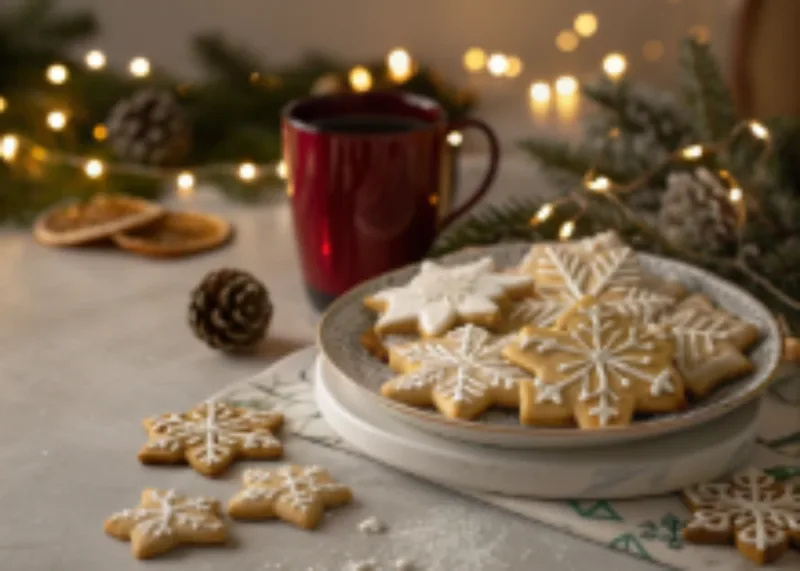
FAQs About Snowflake Cookies
What are Italian snowball cookies called?
Italian snowball cookies are often called Italian wedding cookies or biscotti della nonna. They are different from snowflake cookies, as they are round, crumbly, and coated in powdered sugar rather than rolled and cut.
What are Taylor Swift’s cookies called?
Taylor Swift is famous for her chai sugar cookies, not snowflake cookies. However, snowflake cookies are commonly baked during the holidays by fans recreating winter-themed treats.
What exactly is snowflake crisp?
Snowflake crisp typically refers to the lightly crisp edges of snowflake cookies that contrast with their soft centers. It can also describe delicate, thin cookies with a brittle texture, depending on the recipe.
How do you ice snowflake cookies?
To ice snowflake cookies, allow them to cool completely, then decorate using royal icing, buttercream, or glaze. Use piping bags or squeeze bottles to create detailed snowflake patterns.
Why Snowflake Cookies Never Go Out of Style
Snowflake cookies remain popular because they strike a perfect balance between beauty and ease. They don’t rely on trendy flavors or complicated techniques. Instead, they focus on tradition, creativity, and shared experiences.
Every batch tells a story—different decorations, different hands in the kitchen, and different memories attached to each snowflake shape. That’s what keeps snowflake cookies coming back year after year.
1. History of Snowflake Cookies
Snowflake cookies have a long-standing tradition in holiday baking, originating from classic sugar cookie recipes adapted for festive occasions. While many associate them with Christmas, snowflake cookies have become a universal symbol of winter celebrations. Traditionally, bakers used simple ingredients like sugar, flour, eggs, and shortening to craft cookies that held their shape beautifully. Over time, creative decorators introduced royal icing and sprinkles to emulate snowflakes’ intricate patterns. These cookies not only serve as a delicious treat but also bring a sense of nostalgia and joy, making snowflake cookies a must-bake every holiday season.
2. Key Ingredients for Perfect Snowflake Cookies
To achieve the perfect snowflake cookies, selecting the right ingredients is crucial. Start with white sugar for sweetness and shortening to maintain the cookie shape during baking. Whole eggs add moisture and structure, while vanilla extract enhances the overall flavor. All-purpose flour provides stability, and a pinch of salt balances the sweetness. Optional add-ons, like almond extract or decorative sugar, can elevate your cookies further. Using quality ingredients ensures that your snowflake cookies have crisp edges, soft centers, and a beautiful texture ready for decoration.
3. Step-by-Step Baking Guide
Making snowflake cookies is straightforward, even for beginner bakers. First, cream sugar and shortening until smooth, then beat in eggs and vanilla. Add flour and salt to form a dough, wrap it in plastic, and chill for at least one hour to prevent spreading. Roll the dough to 1/8-inch thickness and use a snowflake-shaped cookie cutter to cut shapes. Bake in a preheated oven at 400°F for 6–8 minutes, keeping an eye on the edges to avoid overbaking. Once cooled, your snowflake cookies are ready for icing and decorations, creating a festive and delicious holiday treat.
4. Decorating Techniques for Snowflake Cookies
Decorating snowflake cookies is where creativity shines. Royal icing is a favorite for crisp, detailed designs, while buttercream offers a softer, more flexible option. Use piping bags and fine tips to draw delicate snowflake patterns, adding edible glitter or colored sugar for extra sparkle. For a quick and easy option, store-bought icing can also be used. Whether creating simple outlines or intricate patterns, decorating transforms plain snowflake cookies into eye-catching holiday masterpieces perfect for gifting or serving at parties.
5. Storage and Shelf Life
Proper storage ensures your snowflake cookies remain fresh and maintain their texture. Unfrosted cookies can be kept in an airtight container at room temperature for up to one week. If decorated with buttercream, store at room temperature with wax paper between layers to prevent sticking. For cream cheese or perishable frostings, refrigeration is recommended. To preserve for longer, both baked and unbaked dough discs can be frozen for up to three months, allowing you to enjoy freshly baked snowflake cookies throughout the holiday season without compromising flavor or texture.
6. Variations of Snowflake Cookies
Snowflake cookies can be customized to suit different tastes and dietary needs. Classic sugar cookies work beautifully, but you can experiment with almond or coconut flour for gluten-free versions. Chocolate-dipped edges or cocoa-infused dough add richness, while vegan substitutions like plant-based butter and flax eggs allow everyone to enjoy festive cookies. Adding flavors like peppermint extract or citrus zest enhances the holiday spirit. These variations ensure your snowflake cookies remain versatile, creative, and suitable for every occasion.
7. Snowflake Cookies for Gifting
Holiday gifting is enhanced with beautifully packaged snowflake cookies. Layer cookies in decorative tins, glass jars, or gift boxes with parchment paper to prevent sticking. Add ribbons, tags, or personalized notes for a festive touch. Homemade snowflake cookies are not only delicious but also thoughtful and visually appealing, making them perfect for neighbors, coworkers, or friends. Gifting snowflake cookies adds a personal touch to holiday celebrations and spreads joy through edible artistry.
Final Thoughts on Snowflake Cookies
Snowflake cookies are proof that simple recipes can create the most meaningful results. With basic ingredients, a reliable dough, and a little imagination, you can create cookies that feel festive, personal, and timeless.
Whether you decorate them with intricate icing designs or keep them plain and classic, snowflake cookies are a winter baking tradition worth keeping—and sharing.
PrintSnowflake Cookies: A Festive Classic Made for Decorating, Gifting, and Holiday Memories
Delicious snowflake cookies with crisp edges, soft centers, and festive decorations. Perfect for Christmas or holiday celebrations, these cookies are easy to bake and fun to decorate with icing.
- Prep Time: 30 minutes
- Cook Time: 10 minutes
- Total Time: 1 hour 40 minutes
- Yield: 24 cookies
- Category: Holiday Cookies
- Method: Baking
- Cuisine: American
- Diet: Vegetarian
Ingredients
1 ½ cups white sugar
1 cup shortening
3 large eggs
1 teaspoon vanilla extract
3 ¾ cups all-purpose flour
1 ½ teaspoons salt
Instructions
1. Beat sugar and shortening with an electric mixer until smooth.
2. Beat in eggs and vanilla until fully incorporated.
3. Add flour and salt, mixing until just combined.
4. Wrap dough in plastic wrap and chill for at least 1 hour.
5. Preheat oven to 400°F (200°C).
6. Roll dough on a lightly floured surface to 1/8-inch thick.
7. Cut into snowflake shapes with a cookie cutter.
8. Place 1 inch apart on ungreased baking sheets.
9. Bake for 6–8 minutes until edges are golden brown.
10. Cool on baking sheets briefly, then transfer to wire racks to cool completely.
11. Decorate with royal icing or buttercream as desired.
Notes
Chill dough thoroughly to maintain cookie shape.
Use wax paper between layers if stacking decorated cookies.
Store unfrosted cookies in an airtight container for up to 1 week.
Decorated cookies with cream cheese frosting should be refrigerated.
FORE MORE RECIPES VISIT US IN FACEBOOK