
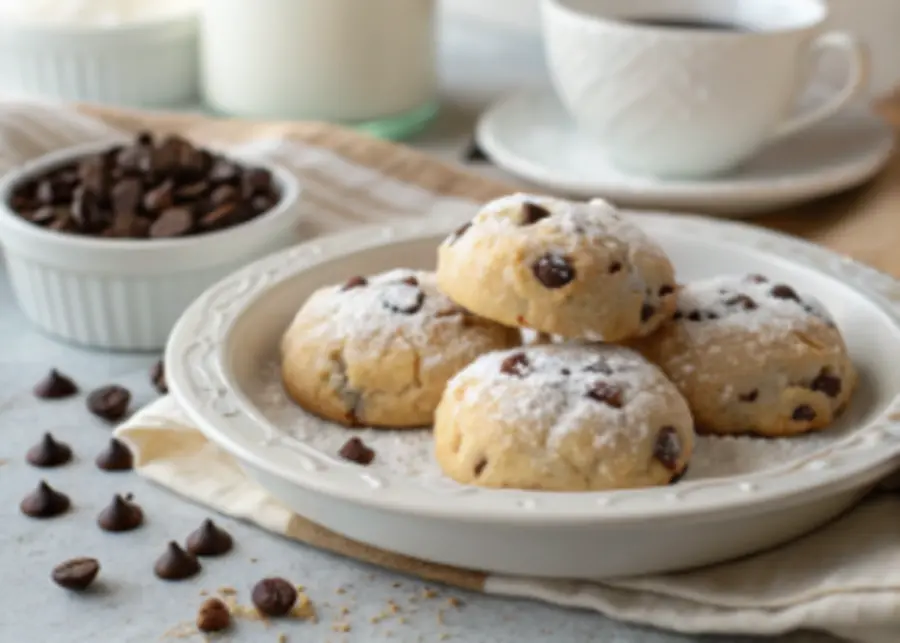
Cannoli cookies take everything people love about traditional Italian cannoli—the crisp shell, creamy ricotta flavor, and hints of citrus and chocolate—and transform it into an easy, bakery-style cookie. Instead of deep-frying pastry tubes and filling them at the last moment, these cookies deliver the same nostalgic taste in a more approachable, shareable format.
If you love cannoli but want a less intimidating dessert that still feels authentic and indulgent, cannoli cookies are the perfect solution.
What Are Cannoli Cookies?
Cannoli cookies are soft or lightly crisp cookies inspired by the flavors of classic cannoli. Rather than forming shells and piping filling, the ricotta-based dough or filling elements are baked directly into cookie form.
They typically feature:
- Ricotta cheese for moisture and richness
- Vanilla and citrus zest for aroma
- Chocolate chips or chopped chocolate
- A dusting of powdered sugar for the classic finish
The result is a cookie that tastes unmistakably Italian, with the creamy sweetness of cannoli in every bite.
How Cannoli Cookies Differ from Traditional Cannoli
Traditional cannoli require specialized tools like metal tubes, a pasta machine, and precise frying temperatures. Cannoli cookies simplify the process while preserving flavor.
Key differences:
- No deep frying required
- No last-minute filling needed
- Easier to store and transport
- Ideal for batch baking and gifting
Cannoli cookies are perfect for home bakers who want authentic flavor without complex pastry techniques.
PrintSoft cannoli cookies dusted with powdered sugar on a plate
Cannoli cookies are soft Italian ricotta cookies inspired by classic cannoli, featuring citrus zest, chocolate chips, and a tender bakery-style texture.
- Prep Time: 15 minutes
- Cook Time: 14 minutes
- Total Time: 29 minutes
- Yield: 24 cookies
- Category: Italian Desserts
- Method: Baking
- Cuisine: Italian
- Diet: Vegetarian
Ingredients
2 cups all-purpose flour
1 tsp baking powder
1/2 tsp salt
1 cup whole-milk ricotta cheese, drained
3/4 cup granulated sugar
1 large egg
1 tsp vanilla extract
1 tsp lemon or orange zest
3/4 cup mini chocolate chips
Powdered sugar for dusting
Instructions
1. Preheat oven to 350°F (175°C).
2. Line a baking sheet with parchment paper.
3. Whisk flour, baking powder, and salt in a bowl.
4. In another bowl, mix ricotta, sugar, egg, vanilla, and zest until smooth.
5. Fold dry ingredients into wet ingredients gently.
6. Stir in chocolate chips.
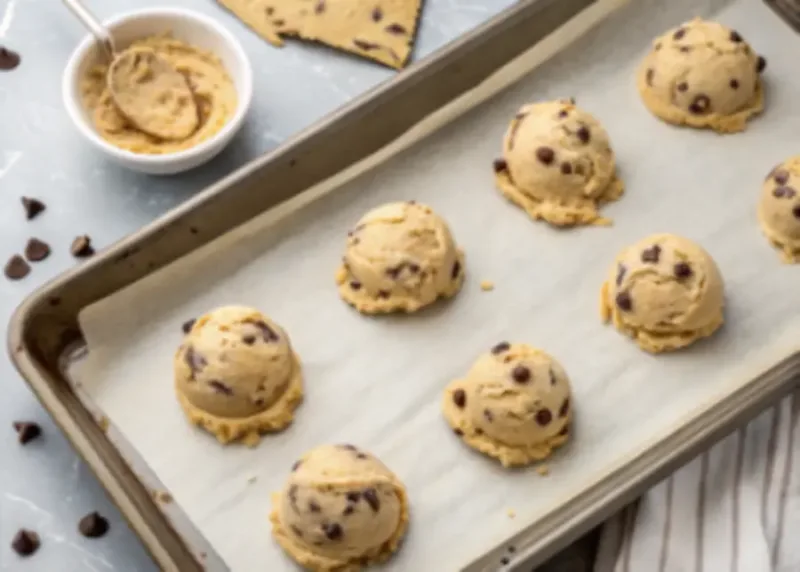
7. Scoop dough onto baking sheet, spacing evenly.
8. Bake for 12–14 minutes until set but pale.
9. Cool completely and dust with powdered sugar.
Notes
Drain ricotta well to avoid excess moisture.
Do not overbake; cookies should remain soft.
Chill dough slightly if it feels sticky.
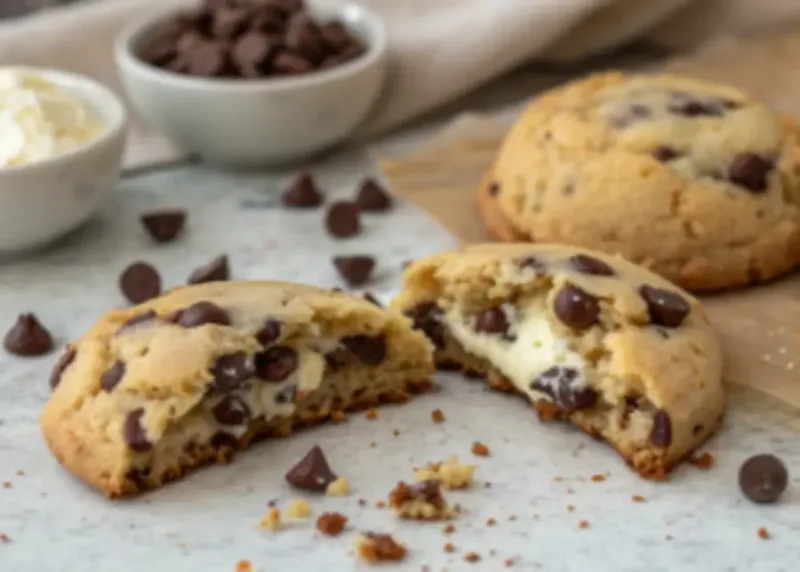
Key Ingredients That Define Cannoli Cookies
The success of cannoli cookies depends on ingredient quality and balance.
Ricotta Cheese
Whole-milk ricotta is essential. It provides moisture and a creamy texture. Draining excess liquid prevents overly soft cookies.
Sugar
Granulated sugar sweetens the dough, while powdered sugar is often used for finishing to mimic classic cannoli presentation.
Eggs
Eggs bind the dough and give structure without making the cookies dense.
Citrus Zest
Lemon or orange zest adds brightness and authenticity. This subtle citrus note is a signature element of cannoli flavor.
Chocolate
Mini chocolate chips or finely chopped semisweet chocolate distribute evenly throughout the cookies.
Texture: Soft, Tender, and Bakery-Style
Cannoli cookies are known for their tender crumb. They should be:
- Soft in the center
- Slightly set on the edges
- Moist but not wet
Overbaking is the most common mistake. Pulling them from the oven when the tops are just set ensures the best texture.
Popular Cannoli Cookie Variations
Cannoli cookies are endlessly adaptable while still staying true to their roots.
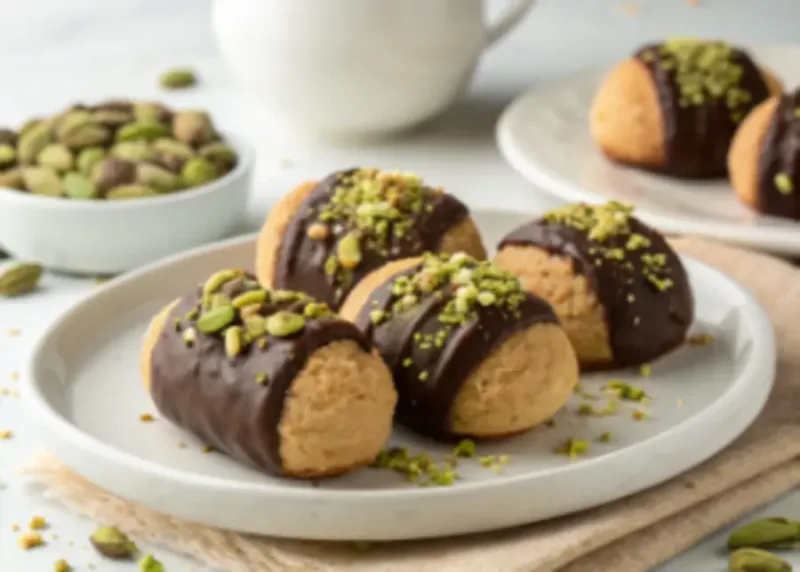
Chocolate-Dipped Cannoli Cookies
Once cooled, dip half of each cookie in melted chocolate and let it set for a bakery-style finish.
Pistachio Cannoli Cookies
Add finely chopped pistachios to the dough or roll cookie edges in pistachios after baking.
Orange-Zest Cannoli Cookies
Swap lemon zest for orange zest for a warmer, slightly sweeter citrus note.
Espresso Cannoli Cookies
Add a small amount of espresso powder for depth that pairs beautifully with chocolate.
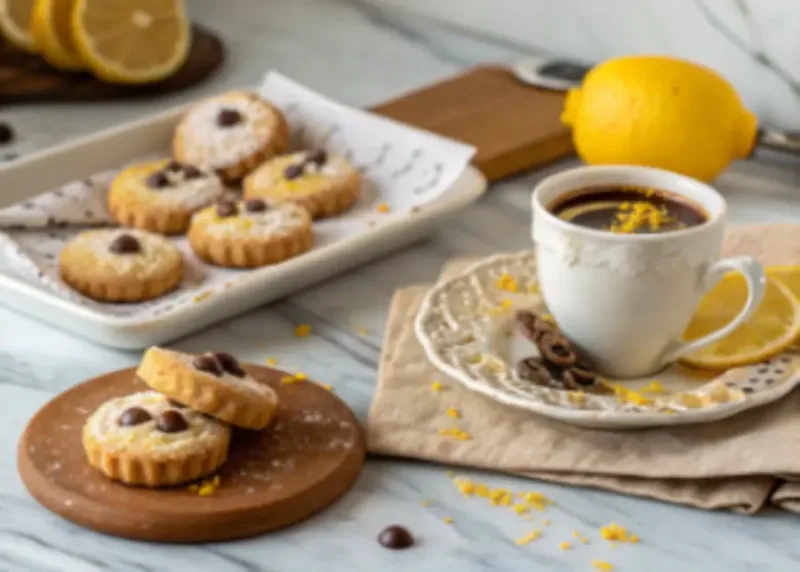
Serving Ideas for Cannoli Cookies
Cannoli cookies are versatile and elegant, making them suitable for many occasions.
- Serve with espresso or cappuccino
- Arrange on a dessert platter with biscotti
- Package in boxes for holiday gifts
- Dust with powdered sugar just before serving
They work equally well for casual gatherings and formal celebrations.
If you love easy weeknight dishes, check out my Air Fryer Lemon Pound Cake or these simple Air Fryer Donut Holes. Both are proof that small tools can create big flavor.
Storage and Make-Ahead Tips
Because cannoli cookie contain ricotta, proper storage is important.
- Store in an airtight container in the refrigerator for up to 5–6 days
- Bring to room temperature before serving
- Freeze baked cookies for up to 2 months
- Freeze dough portions for quick baking later
Their structure holds up well, making them ideal for advance preparation.
Common Mistakes to Avoid
Even simple recipes can benefit from a few professional tips:
- Skipping ricotta draining: Excess moisture leads to flat cookies
- Overmixing the dough: This can make cookies dense
- Overbaking: Cannoli cookie should remain pale and tender
- Using low-fat ricotta: Flavor and texture will suffer
Attention to these details ensures bakery-quality results.
Why Cannoli Cookies Are So Popular
Cannoli cookie combine tradition with convenience. They honor Italian dessert culture while fitting modern lifestyles. You get the nostalgic flavor of cannoli without specialized equipment, last-minute assembly, or deep frying.
For anyone who loves classic Italian sweets, cannoli cookie are a timeless recipe worth adding to your collection.
1. The Italian Inspiration Behind Cannoli Cookies
Cannoli cookie are inspired by one of Italy’s most iconic desserts: the classic Sicilian cannoli. While traditional cannoli consist of fried pastry shells filled with sweet ricotta cream, cannoli cookie reinterpret those flavors into a soft, baked form. This transformation makes cannoli cookie more approachable for home bakers while preserving the authentic Italian essence. By blending ricotta, citrus zest, and chocolate chips into a cookie dough, cannoli cookie deliver familiar flavors in a modern, oven-friendly format that fits today’s baking lifestyle.
2. Why Ricotta Is Essential for Authentic Cannoli Cookies
Ricotta cheese is the heart of cannoli cookie. It provides moisture, tenderness, and that unmistakable creamy flavor associated with classic cannoli fillings. Using whole-milk ricotta ensures richness and proper texture, while draining excess liquid prevents soggy dough. Cannoli cookie made with ricotta stay soft for days, making them ideal for advance baking. Without ricotta, the cookies would lose the signature cannoli taste that defines this dessert.
3. Cannoli Cookies vs. Italian Ricotta Cookies
Although they may appear similar, cannoli cookies and traditional Italian ricotta cookies are not the same. Cannoli cookies specifically replicate cannoli flavor by incorporating citrus zest, chocolate chips, and subtle vanilla notes. Italian ricotta cookies are often plainer, sometimes glazed, and less aromatic. Cannoli cookies are intentionally designed to evoke the experience of biting into a real cannoli, making them richer and more layered in flavor.
4. Best Chocolate Choices for Cannoli Cookies
Chocolate is optional in cannoli cookies, but when used correctly, it elevates the dessert. Mini semi-sweet chocolate chips are the most popular choice because they distribute evenly without overpowering the dough. Dark chocolate adds sophistication, while milk chocolate offers a sweeter profile. Some bakers even use chopped chocolate for irregular bursts of flavor. Choosing high-quality chocolate ensures cannoli cookies taste balanced rather than overly sweet.
5. Citrus Flavor Balance in Cannoli Cookies
Citrus zest is what keeps cannoli cookies from tasting heavy. Lemon zest adds brightness, while orange zest introduces warmth and depth. The key is subtlety—too much zest can dominate the ricotta flavor. When used sparingly, citrus enhances the overall aroma and creates that unmistakable cannoli-style finish that sets cannoli cookies apart from standard soft cookies.
6. Baking Tips for Soft and Moist Cannoli Cookies
Perfect cannoli cookie should never be dry. To achieve the ideal texture, avoid overmixing the dough and remove cookies from the oven while they are still pale. Overbaking eliminates moisture and masks the ricotta’s creaminess. Letting cannoli cookie cool on the baking sheet for a few minutes allows them to set without losing softness. These small adjustments make a big difference in final texture.
7. Cannoli Cookies for Holidays and Special Occasions
Cannoli cookie are a popular choice for holidays, weddings, and Italian celebrations. Their elegant appearance and traditional flavor make them ideal for dessert tables and gift boxes. Dusting cannoli cookie with powdered sugar or dipping them in chocolate enhances presentation without complicating preparation. They also travel well, making them perfect for sharing during festive seasons.
8. How Cannoli Cookies Fit Modern Home Baking
One reason cannoli cookie are growing in popularity is their adaptability. They require no frying, no special tools, and minimal prep time compared to traditional cannoli. Home bakers love cannoli cookie because they capture classic flavor with modern convenience. Whether baked for family desserts or content creation, cannoli cookie strike the perfect balance between tradition and simplicity.
FORE MORE RECIPES VISIT US IN FACEBOOK